
 Share this
Persian Gulf Crisis Intensifies Maritime Security Risks
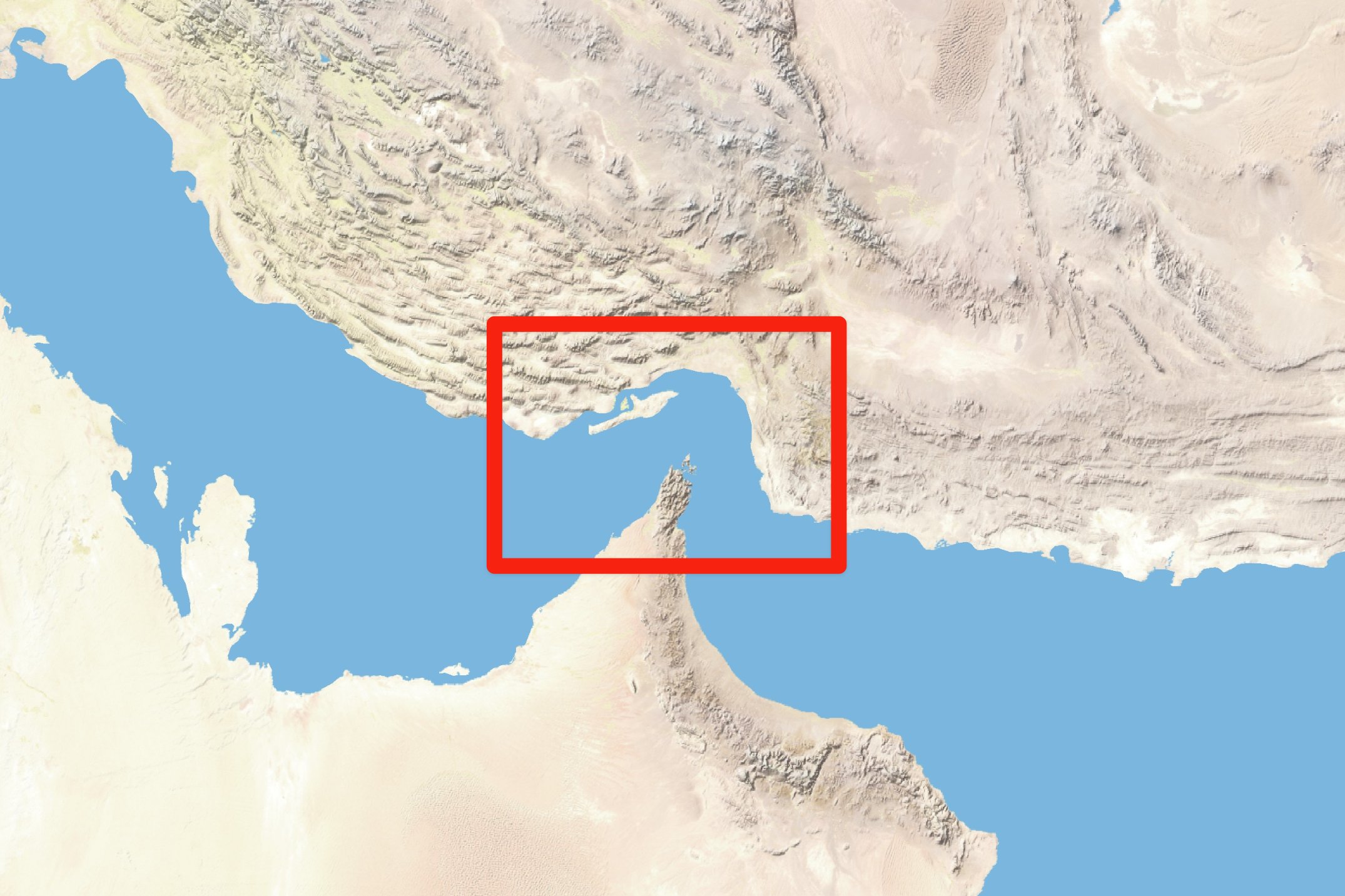
The Persian Gulf crisis has significantly heightened maritime security concerns in the Strait of Hormuz. Reports indicate that several vessels have been targeted by drones deployed by Iran, alongside projectile strikes described as retaliatory actions.
The US Joint Maritime Information Center has classified maritime security in the region as “critical.” Incidents have reportedly resulted in onboard fires and losses, including casualties.
The Strait of Hormuz remains one of the most strategically important maritime passages, and disruptions in this corridor are directly impacting commercial shipping flows.
Strait of Hormuz Operations Paused and Rerouted
Global shipping companies have responded with operational adjustments across the Strait of Hormuz and surrounding waters.
Denmark-based Maersk, which handles at least 15 percent of global container trade, has paused operations in the region.
MSC has directed vessels in the Gulf region and those en route to move to designated shelter areas while suspending new bookings to the Middle East until further notice.
CMA CGM has instructed vessels inside or bound for the Gulf to proceed to shelter and has suspended Suez Canal transits, rerouting affected services via the Cape of Good Hope.
These measures are extending transit times and altering established shipping routes.
Shipping Industry Faces Insurance and Cost Pressures
The Persian Gulf crisis is also reshaping risk pricing in the shipping industry.
Marine insurers have cancelled existing policies in the Gulf of Persia and the Strait of Hormuz while raising premium charges for vessels operating in the region.
Australian exporters have reported shipment diversions and the introduction of new surcharges. Global shipping companies have imposed war surcharges, disrupting container shipping schedules and increasing logistics costs.
Australia’s Freight & Trade Alliance and the Australian Peak Shippers Association have expressed concern that imports of fuel and fertilizers could be affected. Although current crop planting demand has been covered with consignments already in transit, future requirements may face logistical challenges.
Australian Export Flows and Agricultural Commodities at Risk
For countries such as Australia, the Persian Gulf, particularly the United Arab Emirates, represents a key trading destination and cargo hub connecting Europe, Africa, and South Asia.
Bulk exports of wheat, canola, and feed barley to the Persian Gulf are likely to face disruption. Vessels bound for Europe may be required to take longer routes, further increasing fuel and operating costs.
The Persian Gulf crisis is lengthening transit times, raising operational expenses, and contributing to volatility in global shipping schedules.
Conclusion
The Persian Gulf crisis is directly affecting commercial shipping activity in the Strait of Hormuz, prompting operational pauses, rerouting, insurance adjustments, and cost escalation across global supply chains. As shipping firms, insurers, and exporters respond to evolving security risks, extended transit times and higher freight costs are reshaping trade flows linked to the Gulf region.